
Forgiveness Isn't What Most People Think It Is
Forgiveness gets reduced, most places you look, to a formula. Five steps. A letter you write and burn. A single, clean moment where resentment turns to peace and you move on. At BTG, we rarely see it work that way, and we rarely hear the question posed as simply as people ask it, how do I actually forgive someone who hurt me, answered honestly by a formula at all. Forgiveness shows up in more forms than any list could hold, but a few of the ones we see most often, in couples therapy and individual therapy alike, tend to share something underneath them: a person waiting on something from someone else, or from themselves, before they can finally set it down.
The Internal Split
Couples often arrive at BTG after a betrayal; infidelity, most commonly, though not always; with one partner ready to move forward and the other caught in a genuine internal split. This is where infidelity therapy tends to differ most from what people expect walking in. Part of them wants to forgive. Part of them has no idea how. What we hear underneath that stuck place is rarely simple stubbornness. It's something closer to: if I forgive you, does that mean what happened doesn't matter? How do I know this won't happen again? Marriage is a commitment; an institution two people build together and agree to stand inside of. When that trust is broken, it's not just a single wound. It calls the foundation itself into question: if the promise didn't hold once, what does that mean for whether it can be trusted moving forward?
This is why so much of the actual work isn't really about the hurt partner "getting over it." It falls just as heavily on the partner who caused the harm to do real digging; not just to apologize, but to understand and articulate what was underneath the betrayal, what fear or absence drove it; so the hurt partner has something honest to actually see, rather than an apology with no explanation behind it. At least there, an apology and an explanation are possible, even if they're hard to give. That's not always true.
When the Apology Never Comes
Family-of-origin wounds present an entirely different problem: often, there's no apology coming, ever, which means forgiving without an apology isn't a hypothetical for a lot of families, it's the only option on the table. Sometimes because the parent has already died. Sometimes because they simply don't see, or won't acknowledge, the harm they caused. A familiar line tends to surface here, they did the best they could with the tools they had. That's often genuinely true. Many parents, especially fathers, came from a generation and a culture that offered almost no permission or language for looking inward, self-improvement and psychological growth simply weren't part of the world they were handed. But true isn't the same as sufficient.
Understanding why someone couldn't do better doesn't erase what their absence or harm actually cost. It softens blame without softening impact, and it doesn't mean no accountability is owed at all, even if that accountability now has to come from within the adult child rather than from the parent themselves. And once someone stops waiting for an apology that isn't coming, there's often another one waiting underneath it, aimed inward instead of outward.

Forgiving Yourself
The hardest version of forgiveness we see is often self-forgiveness, for a relationship someone chose that turned out to hurt them or their children, for what people often describe as wasted years. One important distinction we return to often in this work: judgment and forgiveness are not the same action, even though they get tangled together constantly. When someone is busy judging their past choices, there's simply no room left for forgiving themselves for making them. Loosening the judgment isn't the same as excusing what happened. It's what makes room for anything else to happen next, including the thing all of this is really pointing toward, whether the wait is for an apology, an explanation, or simply for yourself to stop keeping score.
What Unforgiveness Actually Costs
Holding onto resentment doesn't sit still. It works on you, slowly, the way battery acid works on whatever it touches, corroding something over time, whether or not the person who caused the original harm ever knows it's happening. Forgiveness, when it's real, isn't about deciding someone's actions were acceptable, and it doesn't require having them back in your life. It's closer to a transfer of power: as long as resentment is running the show, the person who caused the harm still has influence over the life being built in the present. Releasing that doesn't mean forgetting, or excusing, or reconciling. It means their actions, or their failure to act, no longer get a say in what happens next. It's also worth saying plainly that forgiveness, in the fullest sense, isn't always reachable, and that acceptance can do much of the same work. You may never arrive at forgiving someone. But arriving at acceptance, at a place where they no longer get to shape the world you're creating now, can be enough.
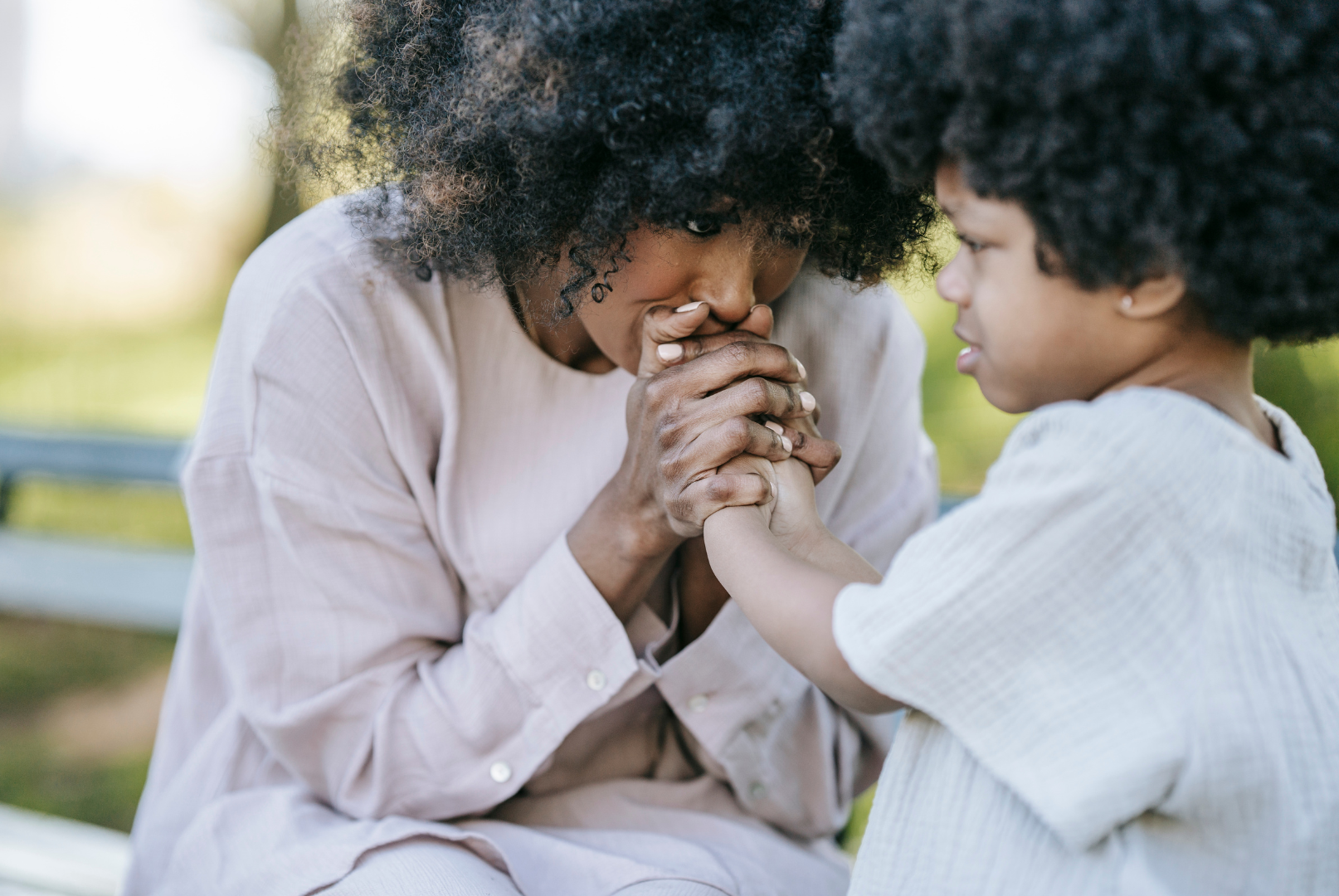
If you're working through betrayal, an old family wound, or forgiving yourself for a choice you can't undo, working with a family therapy or couples therapy provider in Santa Barbara, or a therapist online in California, can help.
To connect with a therapist in Santa Barbara or therapist online in California, schedule a free consultation by calling 805-636-9890 or click to book a Consultation.
It's important to remember that seeking help is a sign of strength.
Botaitis Therapy Group | Emotionally Intelligent Therapy for What Matters Most