
Couples therapy almost always begins with a phone call, and the person who makes that call is rarely the whole story. Someone books a consultation and then spends days wondering how to get a partner into the room. Or they type the question into a search bar late at night: my partner won't go to couples therapy, so what do I do? What we've learned from sitting with couples after that call is that the two people who arrive have often come with very different relationships to the idea of being there, and that difference is frequently the most important thing happening in the first session.
The Person Who Calls Is Usually Looking for Relief
At BTG, the partner who makes the call is typically ready for something to be different. Sometimes the relief they want is from being in the doghouse, from knowing they've caused harm and wanting a way to make it better. Sometimes it's relief from a pattern that has simply become exhausting: the same argument, the same negative spiral, the sense that nothing either person tries makes a difference. Either way, picking up the phone is an act of hope, and it carries an assumption that the other person will share it. Often they don't, at least not yet.
Reluctance Comes in More Than One Form
From the outside, a partner who won't come to therapy looks like one thing. From inside the room, we see at least two very different versions, and they are worth telling apart. In one, there has been an ongoing rupture, and one person keeps reaching for repair while the other avoids it. The avoidance can come from not wanting to change, from not wanting to acknowledge what is happening, or from not trusting that therapy will do anything. In the other, a rupture has just happened, a betrayal like an affair, and the partner who caused it scrambles to book couples counseling while the hurt partner hangs back. That reluctance is not indifference. It's hurt and anger, and a very reasonable question about whether anything will actually change.
These are only two of many reasons someone might hesitate. What they share is that reluctance is rarely the absence of feeling. It usually means something is already being felt, and the person doesn't yet trust that the room is a place to put it. If you're reading this as the person who made the call, it can help to hold that thought gently. The partner who hasn't come yet may not be saying no to the relationship. They may be saying they don't believe this will help, or they aren't sure they want what comes next.

Quiet Doesn't Always Mean What You Think It Means
When the reluctant partner does come, the first thing we usually notice is how quiet they are, and that quiet can mean a number of different things. Some people have never been in therapy and genuinely don't know what to say or do. Some are sitting beside a partner who has been building up for months and now unloads everything at once, and they freeze. Some are angry, and the silence is how the anger is being expressed. Some are afraid that one wrong word will set their partner off. Underneath nearly all of it sits the same question: is this room safe, and can this therapist hold it?
What a First Session Is Actually Like
When one partner is unloading and the other is flooded, we slow things down. We don't need to announce that the room has to feel safe. We simply say that we want to understand both people, that we want to hear history from each of them, and we turn toward the one who has gone quiet. We also tend to begin with topics that aren't heavily charged, because we're watching how the two of you communicate and what your nonverbals do when you're together. And we're listening for what keeps you together, whether that's children, community, or love itself. Many couples walk in loving each other deeply and stuck in one area, like communication or in-laws, and that is a far more hopeful place to begin than most people expect.
Couples Therapy Isn't Always About Staying Together
One thing we want anyone considering couples therapy to know is that the goal isn't always to keep the couple together. Sometimes the work in the room is figuring out whether both people actually want the relationship to continue. We don't usually put that question to a couple directly, partly because the answer you'd get in a first session isn't always the honest one. It's something we assess quietly as we go, by watching how each person engages, and no one is asked to commit to anything before they're ready. Keeping that question open can also change how an affair is understood. Sometimes an affair is the symptom of a breakdown that began much earlier, when one or both people were already so unhappy they were halfway out the door and found a way to leave without saying so directly. None of that erases the harm. It does change what the work needs to be.
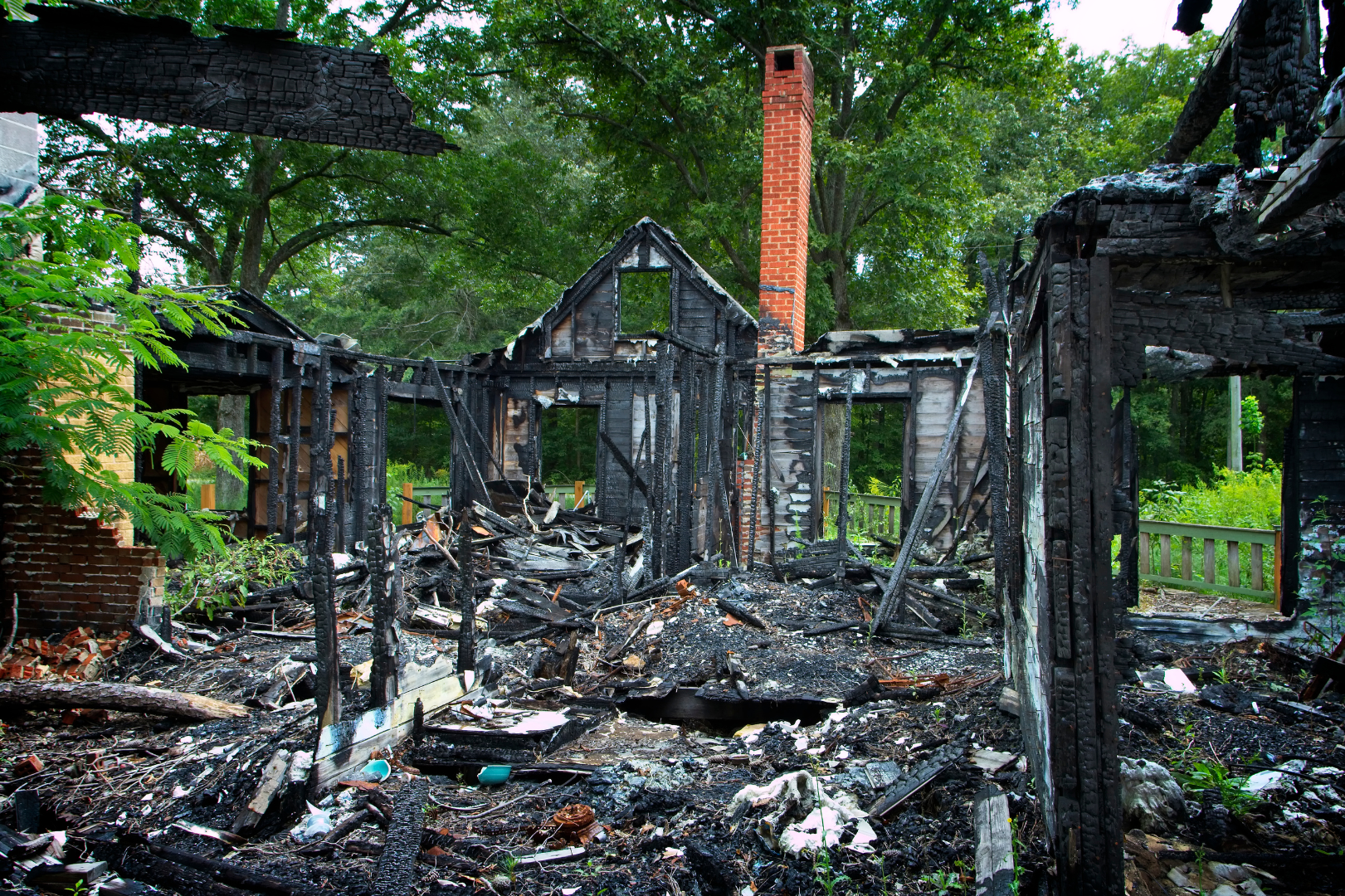
When both people want to stay, we often think of the work like this: the house has burned down, and there is rubble and ash everywhere. You sift through it together, looking for anything that didn't burn, anything worth saving. You set those pieces aside, and only then do you see whether there's enough to build a new home. When one or both people don't want to stay, the work can be about parting well, including learning how to transition into co-parenting if there are children. That is real work too, and it is worth having support for.
What You Take With You Either Way
Couples therapy gives you insight into how you operate in a relationship, and it lets a therapist watch that in real time: how you talk, how you solve problems, how you show love, and how you express anger. Even if the relationship doesn't last, you will have had someone reflect, guide, and offer tools for being a better partner in your next one. And if it does last, you'll be a stronger partner in the one you're in. This is true regardless of how a relationship is structured or who is in it. The alternative is the one we find most tragic. When a relationship ends in rupture and fighting, without any understanding of your own patterns, your wounds, or the things that escalate when someone pokes at them, those patterns tend to come along into the next relationship. And then the cycle starts again.
If you're the one making the call, or the one deciding whether to show up, working with a couples therapist in Santa Barbara or online in California can start with a short consultation. We'll talk through what's happening and, if it feels right, match you and your partner with the BTG therapist who fits you both.
To connect with a therapist in Santa Barbara or therapist online in California, schedule a free consultation by calling 805-636-9890 or click to book a Consultation.
It's important to remember that seeking help is a sign of strength.
Botaitis Therapy Group | Emotionally Intelligent Therapy for What Matters Most